How to Choose the Right Astrologer: A Practical Guide
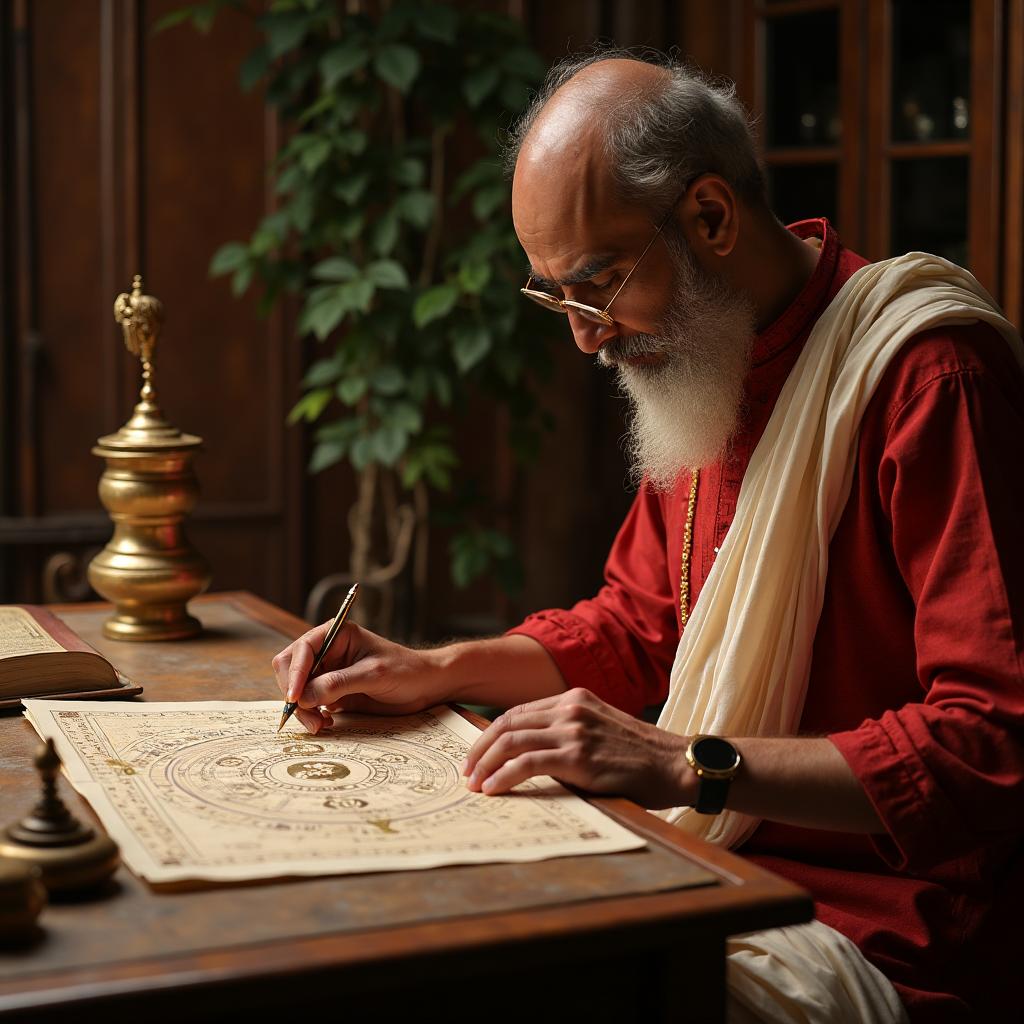
Choose an astrologer by three tests: a real education in a classical system such as Vedic astrology, a verifiable track record over years rather than weeks, and the temperament to say 'I don't know'. Avoid fear-based upselling, generic predictions, and any consultation that skips your exact birth time.
Every month our office in Aurangabad and our team in Pune speak with clients who have already been to two, three, sometimes five astrologers. They arrive tired, contradicting themselves, and often carrying gemstones they were told to wear for problems they no longer remember. This guide is written for them, and for anyone about to book their first serious astrology consultation.
What actually makes an astrologer genuine?
A genuine astrologer has three things: a real education in a classical system, a track record you can verify, and the temperament to say "I don't know" when they don't. In the Indian context, that classical system is almost always Vedic astrology (Jyotish), which is a rigorous discipline with its own vast literature - Brihat Parashara Hora Shastra, Jaimini Sutras, Phaladeepika and dozens more. If your astrologer has never named a classical text, that is information.
A track record is not a wall full of certificates. It is real clients who can speak to their experience over years, not weeks. Reputation in a city like Aurangabad or Pune travels quickly and honestly - ask around, look for consultants whose names come up unprompted, and read reviews with a critical eye.
What are the red flags to watch for?
The single biggest red flag is fear as a sales tool. If a consultation ends with a large, urgent bill for a "puja to save you" from an imminent disaster, walk away. Genuine Vedic astrology does not deal in emergencies. The planets move on a schedule they have kept for millennia; nothing about your chart is a surprise that requires you to pay within 48 hours.
Other red flags: a consultation that never asks for your exact birth time (a chart without accurate time is unreliable); a reading that is entirely generic and could apply to anyone; a strong push to buy specific gemstones or Rudraksha (sacred prayer beads) before the chart has been properly explained; predictions that are all doom and no counsel; and an unwillingness to explain the reasoning behind any recommendation.
Quick checklist: red flags in one place
- Fear-based upselling of expensive rituals.
- No request for accurate birth time and place.
- Generic predictions that fit anyone.
- Immediate pressure to buy gemstones or yantras.
- No written report; only verbal advice you cannot revisit.
- Refusal to explain the classical basis for any remedy.
What questions should you ask before booking?
Before you commit, ask five things. First, which system do you practise - Vedic, Western, KP, Lal Kitab, or a mix? A consultant who can articulate their system clearly is a consultant who has thought about their craft. Second, how long is the consultation, and what does it cover? A serious first consultation is rarely under 45 minutes. Third, do you send a written report? Verbal-only readings vanish from memory within days. Fourth, what is your policy on remedies - are they included or extra? And fifth, may I speak with a past client?
Good practitioners welcome these questions. Anyone who bristles at them is telling you something.
Vedic versus other systems - does it matter?
It matters if you are Indian, and it matters even more if the questions you are asking are Indian in nature - marriage, dosha checks, Dasha timing, Sade Sati (a Saturn transit lasting about seven and a half years), muhurat (an auspicious time window) for weddings and business openings. Vedic astrology is designed for exactly these questions. Western astrology is a beautiful psychological tool but it does not carry the timing precision of the Vimshottari Dasha system. KP astrology (Krishnamurti Paddhati) is a modern refinement within the Vedic family and is excellent for horary questions.
Choose the system that fits the question. For most life decisions in an Indian context - and for anyone asking a "best astrologer in Aurangabad" or "best astrologer near me" question - Vedic astrology is the natural home.
What should a real consultation actually look like?
A serious Vedic consultation begins with your birth data being verified - date, exact time, and place. The astrologer casts the chart, spends a few minutes in silence reading it, and then usually opens by describing your temperament and life themes before you have said much yourself. This is deliberate. If they can read you off the chart, they have earned the right to advise you on it.
The conversation then moves to your specific questions. A good consultant will handle two or three real issues in depth rather than skim across twenty. They will discuss timing - which Dasha you are in, upcoming transits, when to act and when to wait - and they will end with practical remedies matched to your chart. Remedies should always come with reasoning. "Wear a yellow sapphire" is not advice; "your Jupiter is weak in the 5th house and a five-carat yellow sapphire set in gold, worn on the index finger on a Thursday morning, will strengthen this significantly" is.
How does Divyam Vaastu run a consultation?
Our own practice is deliberately structured. We ask for birth data in advance so the chart is prepared before you arrive. The first consultation runs 60 to 90 minutes and ends with a written report covering the chart summary, current Dasha, upcoming transits, three primary questions in depth, and prescribed remedies with reasoning. If a gemstone or Rudraksha is recommended, we source it from our own verified collection and do not force any purchase.
Where astrology needs to be paired with directional work in your home, we bring in Astro Vastu. Where it needs to be paired with energy work, we bring in the healing side - read our astrology and healing guide for how that fits together. Everything happens under one roof, which is what over three decades of practice has taught us to build.
A closing thought from Avinash Maggirwar
Astrology is not fortune-telling. It is timing, temperament, and counsel. If you leave a consultation more anxious than when you walked in, you were in the wrong room. If you leave with a clearer sense of what to do and when to do it, you were in the right one. That is the whole test. To learn more about our founders and practice, or to book a consultation in Aurangabad, Pune, or online, please get in touch.
Frequently Asked Questions
How do I choose the best astrologer near me?
Look for a practitioner with real training in a classical system (usually Vedic), a verifiable local reputation over years, written reports, transparent fees, and no fear-based upselling. Ask them which classical texts they draw on and whether you can speak with a past client.
Who is the best astrologer in Aurangabad?
Divyam Vaastu was founded in 1992 by Shri Yeshwant Maggirwar Ji. The practice is led today by Mr. Avinash Maggirwar and Mr. Abhijit Maggirwar, practising Vedic astrology and Vastu in Aurangabad. We work by referral and repeat clients, with written reports and no fear-based upselling. You can also read reviews and speak with past clients before booking.
What are the biggest red flags when choosing an astrologer?
Fear-based upselling of urgent expensive rituals, no request for exact birth time, generic predictions that fit anyone, immediate pressure to buy gemstones, no written report, and refusal to explain the classical basis for any remedy. Any of these is enough to walk away.
Vedic or Western astrology - which is right for me?
For questions rooted in Indian life - marriage matching, Dasha timing, muhurat, Sade Sati - Vedic astrology is designed for the task. Western astrology is stronger for psychological insight. Choose the system that fits the question you are actually asking.
What should a real astrology consultation include?
Verified birth data, a full chart reading, discussion of your temperament and current Dasha, two or three specific questions handled in depth, timing guidance, prescribed remedies with reasoning, and a written report you can revisit later. Anything less is incomplete.