Vastu for Plot Selection: What to Check Before You Buy Land
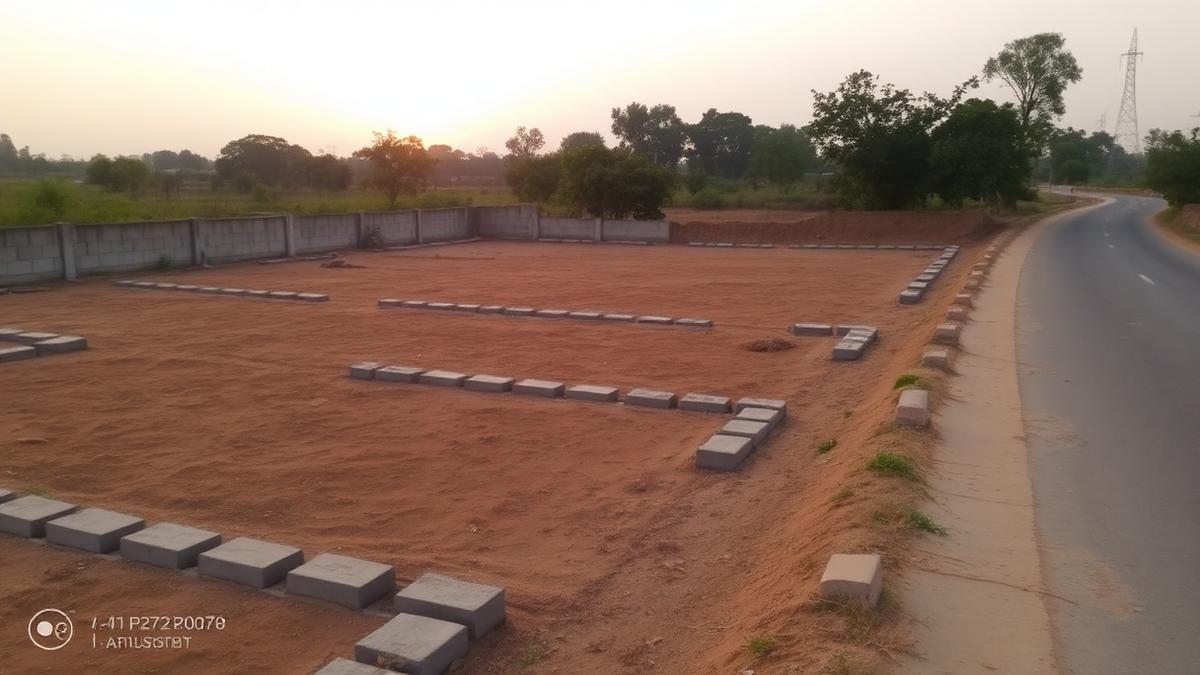
A plot is assessed for shape, slope, road position and surroundings, with the north-east corner read most closely. Square and rectangular plots that fall towards the north and east read best, and a cut north-east corner cannot be corrected by anything built later.
Everything else we write about is damage control. The walls are up, the platform is cast, the stairs are load bearing. A plot is different. Nothing has been built yet, which makes it the only point in the process where a Vastu reading can change the outcome instead of managing it.
It is also the stage at which almost nobody calls us, and we usually meet the same buyer two years later with a floor plan and a problem.
Shape, and why it comes first
A square plot is the classical ideal and a rectangle is entirely fine, particularly one longer on the north to south axis. What the texts treat with care are the irregular shapes, and they do not treat them all alike.
An extension at the north-east corner is regarded favourably. A cut or a missing corner at the north-east is the finding we take most seriously in a plot assessment, because it removes the zone the rest of the layout is arranged around and it cannot be corrected by anything built later. A cut at the south-west is also read closely.
Triangular plots, plots that narrow towards the front, and plots with more than four uneven sides are all workable to different degrees, and the honest position is that some are worth walking away from when comparable land is available nearby. Where a plot is large enough, dividing it and building on a regular portion of it is a real option that buyers rarely consider.
Slope and level
The ground is expected to fall towards the north and the east and to be higher towards the south and the west. That is the same weight logic that governs everything else in the grid, applied to the land itself.
A plot that slopes the other way, high in the north-east and low in the south-west, is the one to look at hardest. It can be graded and filled, which is a real cost to price into the purchase rather than a reason to reject the land outright. Ask about it before you negotiate, not after.
Roads, corners and what surrounds the land
Road position affects the entrance options, and the entrance is read first in every assessment that follows. A road on the north or the east side gives the most workable set of entrance positions. Corner plots with roads on two sides are common in newer layouts and are read according to which two sides carry the roads.
Then there is what the plot sits next to, which no drawing shows you.
- What occupies the land on each side, and whether anything tall on the south or west is casting the plot into permanent shade.
- Large water bodies, drains and nullahs, and which side of the plot they fall on.
- High tension lines, transformers and towers.
- Whether a road runs directly at the plot, which is treated as significant depending on where it strikes.
- The immediate neighbours, since a plot is bought once and lived beside for decades.
- Any history of standing water, and where the ground drains after heavy rain.
Soil and the site itself
Traditional practice paid close attention to the soil, its colour, its smell and how it held water, and a good deal of that has a straightforward engineering reading behind it. What we look at now is whether the ground has been filled, what was on the site before, and whether debris or old construction is buried in it. A geotechnical report answers most of this better than any text can, and it is worth having before purchase regardless of Vastu.
The north east corner
This gets its own section because it decides more than any other single feature of a plot. The north-east is where the open space, the water source and the lightest built mass belong. A plot whose north-east is cut, blocked, permanently shaded or occupied by something immovable has lost the most flexible part of its layout before design begins.
Conversely, a plot with a clean, open, slightly lower north-east gives an architect room to place the pooja (a prayer ritual) space, the water and the open area where they read best, and to put the stairs and the master bedroom in the south-west without fighting the site. The zone logic is set out in our piece on the Vastu Purusha Mandala.
Reading a plot against the buyer
Two families can be shown the same plot and be advised differently, because the chart of the person buying is part of the reading in our practice. This is where plot assessment stops being a checklist and becomes a consultation. It also comes up when a plot is being bought for a purpose other than a family home, such as a shop, a workshop or a rental block, since the use changes what matters in the layout.
Where a client is considering more than one plot, comparing them against each other is more useful than grading each in isolation. That is usually the conversation we have.
The order to do this in
Have the plot read before you pay the token amount, not after the sale deed. At that point the compass reading, the slope, the road position, the shape and the surroundings are all still information you can act on, including by choosing the other plot.
What that assessment covers is set out on our Vastu consultant page, and once a plot is chosen the design stage is covered by our Vastu floor plan review before the architect finalises anything. For land bought to build a factory or a workshop, see our industrial Vastu consultation. Site visits run out of the head office in Chhatrapati Sambhajinagar (Aurangabad) and the Pune branch office, subject to appointment. If you are looking at land now, send us the layout plan with the plot number marked and we will tell you what to check on site.
Frequently Asked Questions
Which plot shape is best as per Vastu?
A square plot is the classical ideal and a rectangle is entirely acceptable, particularly one longer on the north to south axis. An extension at the north-east is regarded favourably. A cut or missing corner at the north-east is the finding taken most seriously, since it cannot be corrected by anything built afterwards.
Which way should a plot slope as per Vastu?
The ground is expected to fall towards the north and the east and to be higher towards the south and the west. A plot that is high in the north-east and low in the south-west deserves the closest look. It can usually be graded and filled, which is a cost to price into the purchase rather than an automatic rejection.
Is a road facing plot good or bad as per Vastu?
Road position matters because it decides the entrance options, and the entrance is read first in every assessment that follows. Roads on the north or the east side generally give the most workable entrance positions. Corner plots with roads on two sides are read according to which two sides those are.
Why is the north east corner of a plot so important?
The north-east is where the open space, the water source and the lightest built mass belong, so it is the most flexible part of a layout. A plot whose north-east is cut, blocked or permanently shaded loses that flexibility before the design stage begins, which is why it is assessed before shape or slope.
When should a plot be assessed as per Vastu?
Before the token amount is paid. At that stage the compass reading, the slope, the shape, the road position and the surroundings are all still information you can act on, including by choosing a different plot. After the sale deed the assessment can only manage what has been bought.