Vastu for the Main Gate and the Approach to a House
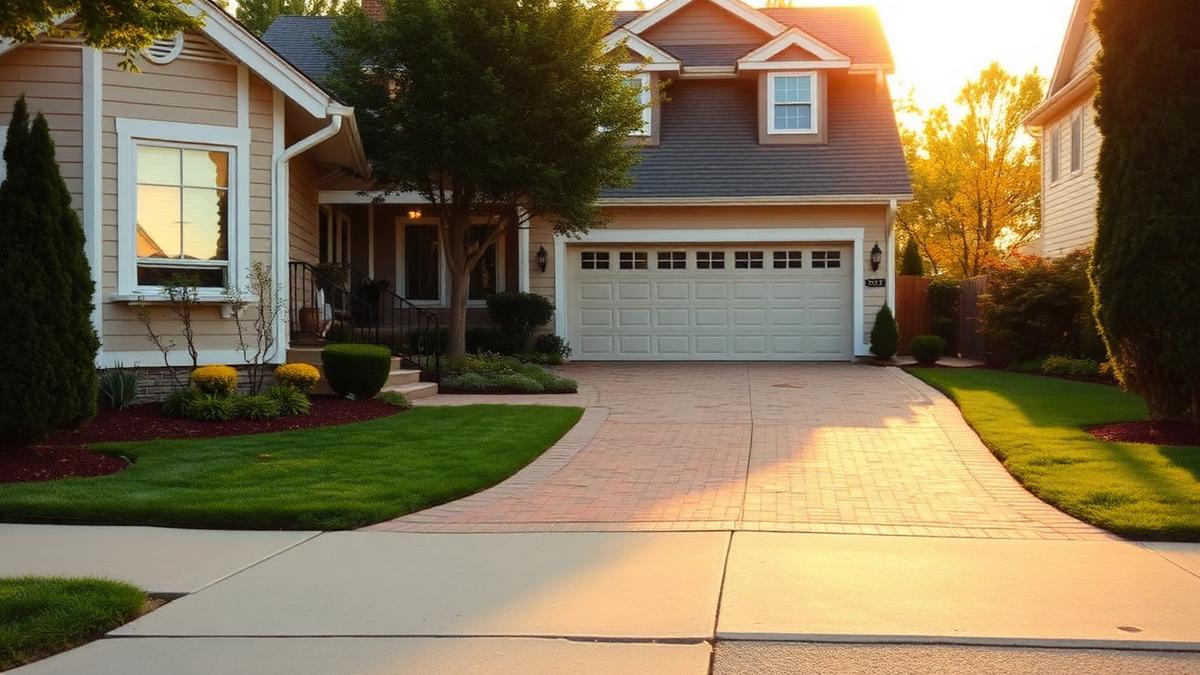
Vastu reads the main gate against the plot boundary, favouring the north, east and north-east portion of the frontage and avoiding the corners where two walls meet. Where there is no gate, the point at which the driveway meets the boundary is read instead, along with the garage mass and the path to the door.
Four separate articles on this site deal with the front door, one for each orientation. This one deliberately stops at the threshold and looks at everything outside it, which is where a surprising number of findings sit.
If you are looking for where the door itself should sit in a wall, the segment reading is written out in south facing house Vastu, with the north, west and east treated in their own pieces. Nothing here repeats that.
The short answer
The gate is read against the plot rather than against the house. It sits best in the north, the east or the north-east portion of the boundary on the side the plot faces, and the corner positions where two boundary walls meet are avoided. The approach then matters in its own right, because a driveway, a path and a set of steps decide how the plot is entered before anyone reaches the door.
Reading the gate against the plot
Divide the boundary wall on the frontage into equal parts and read where the gate falls, in the same way a wall is divided for a door. On a north or east frontage the favoured positions sit towards the north-east side of centre. On a south or west frontage the gate is pulled away from the south-west corner, which is the position read most carefully of all.
The corners themselves are avoided on every frontage. A gate cut exactly where two walls meet is a common builder decision on corner plots because it gives the widest turning circle, and it is the one we most often ask about first.
Points that recur
- A gate that opens inward into the plot rather than outward onto the street.
- A gate wider or heavier than the house needs, which is read as an imbalance rather than a virtue.
- A rusted, jammed or permanently propped gate, which is treated as a fault on its own.
- Dense planting or a tall boundary structure blocking the approach on the north or east side.
Driveways, and what happens when the garage faces the street
In most American neighbourhoods there is no gate. There is a driveway running from the street to a two car garage, and often the garage door is the largest feature on the elevation, wider than the front door and closer to the road. The front door sits to one side and half the household never uses it.
That changes the reading in a way Indian consultants rarely address, because Indian houses do not have it. We look at three things. Where the driveway meets the boundary, since that is functionally where the plot is entered. Which zone the garage mass occupies, because an attached garage is a heavy, largely unused volume and the south and west read better for it than the north-east. And whether the door people actually use is the front door or the interior door from the garage into the house.
The last one is the finding that surprises clients most. When a household enters through the garage every day, the mud room door is doing the work the main entrance is supposed to do, and it is usually placed with no thought at all. Where the front door cannot become the habitual entry, the interior door and the space behind it get the attention instead. Attached garages are also covered from the layout side in Vastu for USA suburban homes.
The path, the steps and the space in front of the door
The walk from the gate or the driveway to the door is read for a few plain things. A straight, clear, well lit approach is preferred to one that doubles back on itself. A path narrowing as it reaches the door reads worse than one holding its width. Steps rising towards the entrance are ordinary and fine, while a landing so tight that two people cannot stand on it is not.
We also look at what sits immediately in front of the door. A downspout discharging across the entry, a heavy pillar directly ahead, a dead tree or a utility cabinet in the approach line are the recurring ones, and most of them are cheaper to correct than clients expect.
Slope, drainage and the front yard
The ground itself carries weight in Vastu. A plot falling towards the north or the east reads favourably, and one falling hard towards the south-west is read carefully. In American terms this is the grading conversation, and it usually comes up because water is already collecting somewhere it should not.
Yard features are read the same way as any other mass. Heavy planting, a shed or a large boulder sits better on the south and west sides than on the north-east, where the plan wants openness. Outdoor water features follow the water logic instead, which is covered in our piece on water tanks and household utilities.
Getting the approach assessed
We assess properties in the United States online by video call from our offices in India, working from the floor plan and the compass bearings you send us. Vastu consultation, Vedic astrology and kundali, muhurat (an auspicious time window), tarot card reading, Akashic Records reading and numerology are all available online by video call. Reiki and sound healing are available online by video call as well, and in person at our Chhatrapati Sambhajinagar (Aurangabad) and Pune offices. Dowsing requires attending the property and cannot be conducted remotely either.
For the property itself, see our residential Vastu consultation and what a Vastu consultant does. For clients in the United States, our USA page explains how a remote assessment runs, and if you are still choosing between properties, Vastu for plot selection covers the ground before the house.
Frequently Asked Questions
Which direction should the main gate face as per Vastu?
The gate is read against the plot boundary rather than the house. Positions in the north, east and north-east portion of the frontage are favoured, and on a south or west frontage the gate is pulled away from the south-west corner. Corner positions where two boundary walls meet are avoided on every frontage.
Does Vastu apply if my house has a driveway and no gate?
Yes. Where the driveway meets the boundary is functionally where the plot is entered, so that is what we read. We also read which zone the attached garage mass occupies, with the south and west suiting it better than the north-east.
Our family always enters through the garage. Does that matter?
It matters more than most clients expect. When the household enters through the garage daily, the interior mud room door is doing the work of the main entrance while having been placed with no thought. Where the front door cannot become the habitual entry, that interior door and the space behind it get the attention.
What should be avoided in front of the main entrance?
A downspout discharging across the entry, a heavy pillar directly ahead of the door, a dead tree, a utility cabinet in the approach line, and a landing too tight for two people to stand on. A path that narrows as it reaches the door reads worse than one that holds its width.