Vastu for Water Tank and Household Utilities
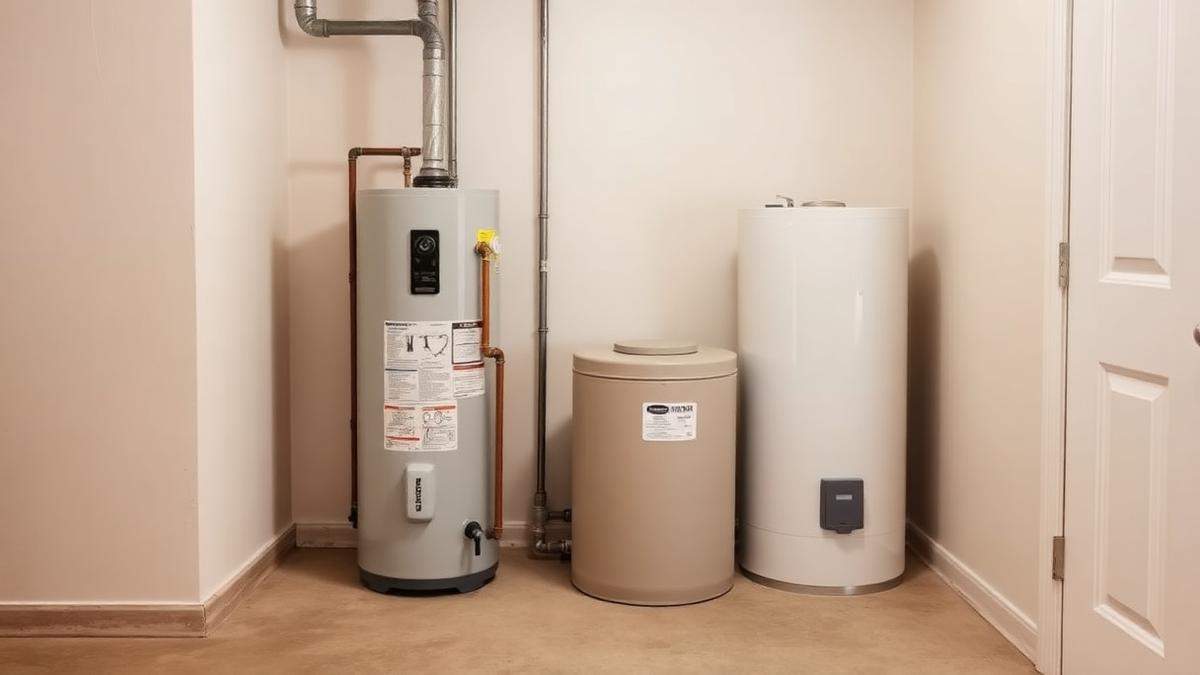
Vastu places underground water storage, sumps and borewells in the north and north-east, and treats an overhead tank as load that belongs towards the west or south-west rather than the north-east. In American homes the same reasoning applies to water heaters, softeners and utility rooms, with the sump pump usually fixed by drainage.
Water storage is one of the placements clients discover late and regret early. A tank sits where the plumber found it convenient, and by the time anyone asks the question the concrete has cured. It is worth understanding what the classical position actually is, and what is realistically available to change afterwards.
The short answer
Vastu treats stored water as a heavy, cool element and reads it against the zone it sits in. Underground storage, sumps and borewells are read most favourably in the north and the north-east. Overhead tanks are treated differently, because weight held high is read like any other load and belongs away from the north-east, most often towards the west or the south-west.
That single distinction resolves most of the confusion we hear. Water below ground and water above the roof are not the same placement question, and advice that treats them as one is the reason so many homes end up with a heavy tank sitting exactly where the plan wanted lightness.
Underground tanks, sumps and borewells
The north and north-east are the favoured zones for a borewell, a well or an underground sump. The reasoning is consistent with the rest of the northern reading in Vastu, which wants that side lighter, lower and more open than the south-west. Water sitting below grade fits that.
The positions read more carefully are the south-west, where the plan wants mass rather than a void, and the south-east, which is the fire zone. A sump in the centre of the plot is also read carefully, since the central zone is kept as free of loading and openings as the structure allows.
Where the water comes from matters as much as where it is stored, which is a separate discipline. Our dowsing and water divining service covers locating groundwater and reading geopathic stress on a plot, and it is conducted on site by attending the property.
Overhead tanks
An overhead tank is load. Read it the way you would read any concentrated weight on the roof. The west and the south-west take it comfortably. The north-east is the position to avoid, and it is the one builders choose most often because the stair head happens to land there.
Practical points
- Keep the tank clear of the vertical line above the central zone of the house.
- Avoid stacking a heavy tank directly over a pooja room, a bedroom used by children or the north-east corner.
- Where a single large tank sits badly, splitting the volume into two smaller tanks sometimes moves the load into a better zone without new structure.
- A leaking tank or a persistently damp overflow line is treated as a fault in its own right, separately from direction.
The American version of the same question
Most homes in the United States have no overhead tank and no sump, so clients assume the chapter does not apply to them. It applies, but the objects are different. What an American house has instead is a water heater, often a softener beside it, a utility or mechanical room holding both, laundry hookups, and in much of the country a sump pump in the basement.
A gas or electric water heater is a heat source holding water, so it reads more like a fire element than a water one, and the south-east is the zone that suits it. A softener and its brine tank are stored water and weight, so the west and the south-west sides read better than the north-east. Laundry equipment is usually read with the utility group rather than on its own.
The complication is that American mechanical rooms are placed by code, venting runs and the shortest route to the main stack, not by orientation. A basement sump goes where the drain tile terminates and the grade decides that. This is the same situation we describe for basements and split-levels in our piece on Vastu for American home layouts, and the answer is the same. Read what is fixed, adjust what is not, and do not pretend a pump can move because a chart would prefer it.
What can move and what cannot
- Fixed in practice: sump pump position, the main water entry, the stack, a finished basement mechanical room, a slab-set underground tank.
- Often movable: a softener, a secondary storage or filtration unit, a tankless heater on a relocated wall during a planned replacement, laundry position during a remodel.
- Movable on paper only, which is the best time to fix it: overhead tank position, sump position and borewell location while the house is still a drawing.
When a client is building or buying, this is the cheapest correction available anywhere in Vastu, because it costs a conversation rather than a contractor. A floor plan review before the mechanical layout is finalised catches it. A residential Vastu consultation on a finished house works with what exists and separates the findings that are worth acting on from the ones that are not.
Consulting from the United States
We assess properties in the United States online by video call from our offices in India, working from the floor plan and the compass bearings you send us. Vastu consultation, Vedic astrology and kundali, muhurat (an auspicious time window), tarot card reading, Akashic Records reading and numerology are all available online by video call. Reiki and sound healing are available online by video call as well, and in person at our Chhatrapati Sambhajinagar (Aurangabad) and Pune offices. Dowsing requires attending the property and cannot be conducted remotely either.
For a wider view of how we work with clients there, see our Vastu consultant services for the USA, and if you are still house hunting, our checks to run before buying a house in the USA covers what to look at before an offer, mechanical placement included.
Frequently Asked Questions
Which direction is best for a water tank as per Vastu?
It depends on whether the tank is above or below ground. Underground tanks, sumps and borewells are read most favourably in the north and the north-east. An overhead tank is read as load and sits better towards the west or the south-west, away from the north-east.
Can an overhead water tank be placed in the north east?
It is the position classical Vastu treats most carefully, because the north-east is kept light and open while a full tank is concentrated weight held high. Builders often place it there because the stair head lands there. Splitting the volume or shifting the platform during a roof repair are the usual practical routes.
Where should a borewell be dug according to Vastu?
The north and north-east zones of the plot are the favoured positions, with the south-west and the central zone read more carefully. Groundwater availability decides the matter first, and locating that is what dowsing is for. Dowsing is conducted on site by attending the property.
Does this apply to a house in the USA with no water tank?
Yes, with different objects. The water heater reads closer to a fire element and suits the south-east. A softener and its brine tank are stored weight and read better on the west or south-west side. A basement sump pump is fixed by the drain tile and grade, so it is read rather than moved.