East Facing House Vastu: What the Premium Actually Buys
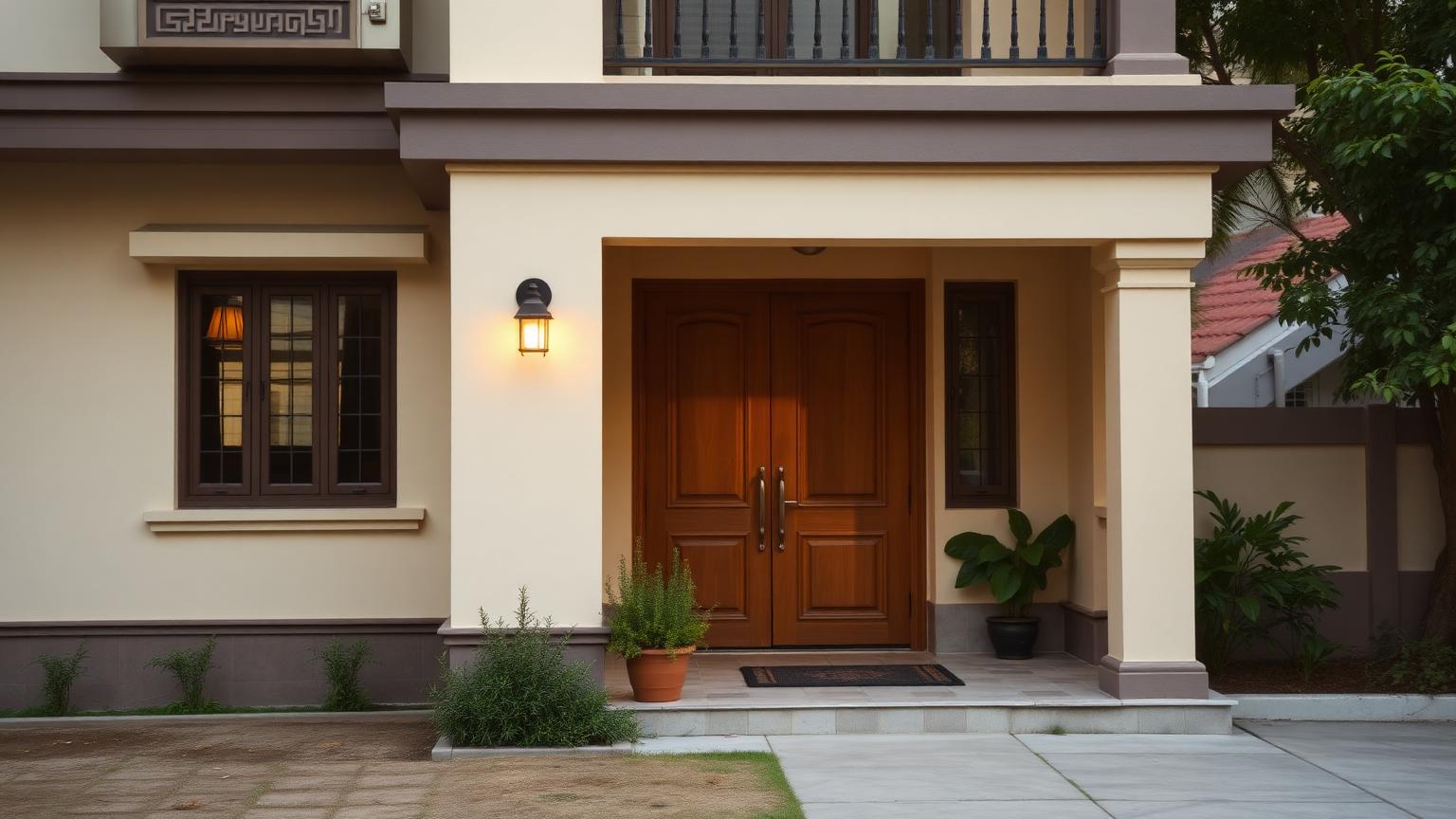
An east facing house is the orientation classical Vastu prefers, chiefly for morning light and its association with beginnings. It is a genuine advantage rather than a guarantee. The segment of the eastern wall holding the door, and whether the north-east has been left light, decide far more than the bearing.
East-facing is the orientation people ask for before they ask anything else about the property, and the one carrying the largest premium in most Indian markets. The classical preference behind that premium is real. What buyers do with it is where things go wrong.
The short answer
An east-facing house is a favourable orientation, and it is not a guarantee of anything. No direction is a defect and no direction is a certificate. We regularly assess east-facing flats that read worse than the south-facing unit two floors below them, because orientation was the only thing anyone checked.
The reason the whole orientation question is smaller than it is made to sound, and the way a wall is divided into segments so the door position rather than the wall carries the reading, is written out fully in our piece on whether a south-facing house is actually a problem. This piece stays on the east.
What the classical texts say about the east
The east is the direction of Indra and of the rising sun, and classical texts associate it with beginnings, health, clarity and social standing. The practical basis is the morning light, which is gentle, warm and welcome in a way the afternoon sun on a western wall is not. An eastern entrance takes that light directly, and an eastern opening is one you can make generous without paying for it later in the day.
Where the popular reading overreaches is in treating the east as the whole assessment. The texts give far more space to the interior zones than to the entrance wall, and the north-east is treated more carefully than the east on its own. An east-facing house with a heavy, closed, overbuilt north-east has not captured the advantage the orientation offered it.
Where the entrance should sit in an eastern wall
Divide the eastern wall into equal segments and read the one your door falls in. The favoured positions sit in the middle of the wall and towards its northern end, moving the entrance closer to the north-east. The segments at the southern end of the eastern wall are read more carefully, and the position to avoid is the south-east corner itself, where the eastern and southern walls meet.
This is the part that gets skipped when a unit is sold as east-facing. The phrase describes the elevation, not the door. An east-facing flat with the entrance pushed hard into the south-east corner is not the property the buyer thinks they are paying extra for, and the difference is measurable on the plan in a couple of minutes.
Practical points on an eastern entrance
- Let the morning light reach the door rather than blocking it with a solid gate wall, a tall compound structure or dense planting on the east.
- Keep the approach and the space immediately inside the door clear, particularly where the entrance sits near the north-east.
- Where an eastern entrance opens directly onto a staircase flight or a toilet door in line, screening or door management is the usual answer.
How an east-facing plan is read
East-facing plans have their own recurring problem, and it comes from the same instinct that makes the orientation popular. Because the east and north-east side is bright and pleasant, that is where the largest room, the pooja (a prayer ritual) space, the balcony and often the master bedroom get pushed. The pooja placement is usually a good outcome. The heavy master bedroom in the north-east is not, and it is one of the more common findings we hand over on otherwise well-built east-facing homes.
The second thing we look at is the south-east, because in east-facing plots the kitchen frequently ends up somewhere else entirely once the entrance and the living room have taken the eastern frontage. The fire zone being available and used is worth more to a plan than the direction of the front door.
Then the ordinary sequence: what carries the weight in the south-west, where the master bedroom sits, how the overhead tank and the sump relate to each other, and the slope of the plot.
What tends to need adjustment
- A master bedroom or a heavy store in the north-east, where a change of room use is usually available without construction. Where the bedroom stays, the sleeping direction and bed position is often the adjustment left.
- Tall compound walls, boundary structures or a car porch closing off the eastern light the orientation was bought for.
- A kitchen displaced out of the south-east by the eastern frontage. Our guide to kitchen direction as per Vastu covers what can still be adjusted inside it.
- An underbuilt or open south-west, which is more common in east-facing plots than owners expect.
- An entrance sitting in a south-east segment while the unit is described as east-facing.
These are placement findings rather than structural ones in most homes, and an east-facing property that reads well needs a shorter list than the market premium would suggest.
Is an east-facing house good?
Yes, on light and on classical preference, and that is a genuine advantage worth having. It is not worth any price, and it is not a substitute for reading the plan. If the choice is between an east-facing unit with a loaded north-east and a west-facing one with clean zoning and a heavy south-west, we would take the second and have said so to clients standing in the sales office. Buy the plan and take the orientation as a bonus.
In a US house
East-facing houses in American subdivisions usually face the street, with the driveway and an attached garage on the front elevation. The reading looks at whether the garage sits in the northeast, where it adds weight to a corner kept light, or toward the southeast, where it matters less. Many American homes have a formal entry and a garage entry, and both are read, because the garage door is often the one the family uses daily. On a cul-de-sac the lot may be pie shaped and turn the house off the cardinal directions, so take readings from true north. Magnetic north can differ from true north by more than ten degrees in parts of the US. Our guide to Vastu for American home layouts covers basements, garages and split levels in more detail.
The other three orientations
A house has one entrance wall and there are four of them, so the set is written as four pieces rather than one long one.
- North facing house Vastu, on entrance segments in the northern wall and what a north-facing plan usually needs.
- West facing house Vastu, on heat, the western entrance and reading a west-facing layout.
- South facing house Vastu, our fullest treatment of why orientation fear is misplaced and how door segments are read.
What a consultation adds
This article can tell you what the eastern segments are and which faults recur in east-facing plans. It cannot tell you whether the unit being sold to you as east-facing has its door in a south-east segment, or how the interior reads once the orientation is set aside. If you want that done on your property, read about our residential Vastu consultation or our wider Vastu consultant services, see how to run a first pass yourself in how to check the Vastu of your house, look at what an assessment involves on our Vastu consultation fees page, or contact us with the floor plan.
Frequently Asked Questions
Is an east facing house good as per Vastu?
Yes, it is the orientation classical Vastu prefers, associated with the rising sun and with beginnings, and it has the most comfortable light of the four. It is an advantage rather than a guarantee. An east-facing house with a heavy north-east and a displaced kitchen has not captured what the orientation offered.
Where should the main door be in an east facing house?
The eastern wall is divided into equal segments. The favoured door positions are in the middle of the wall and towards its northern end, closer to the north-east. The segments at the southern end are read more carefully and the south-east corner itself is avoided. Many units marketed as east-facing have the door in a south-east segment, which is worth checking on the plan.
What goes wrong in east facing plans?
The bright north-east attracts the heaviest room. A master bedroom or a store placed there is the finding we hand over most often on otherwise well-built east-facing homes. The second is a kitchen displaced out of the south-east because the entrance and the living room took the eastern frontage.
Is an east facing house worth a premium?
The preference is real, so a modest difference is defensible. Paying a large premium for a bearing while ignoring the plan is not. If the choice is an east-facing unit with a loaded north-east against a west-facing one with clean zoning and a heavy south-west, we would take the second.