Yellow Sapphire (Pukhraj): Who Should Wear It in Jyotish
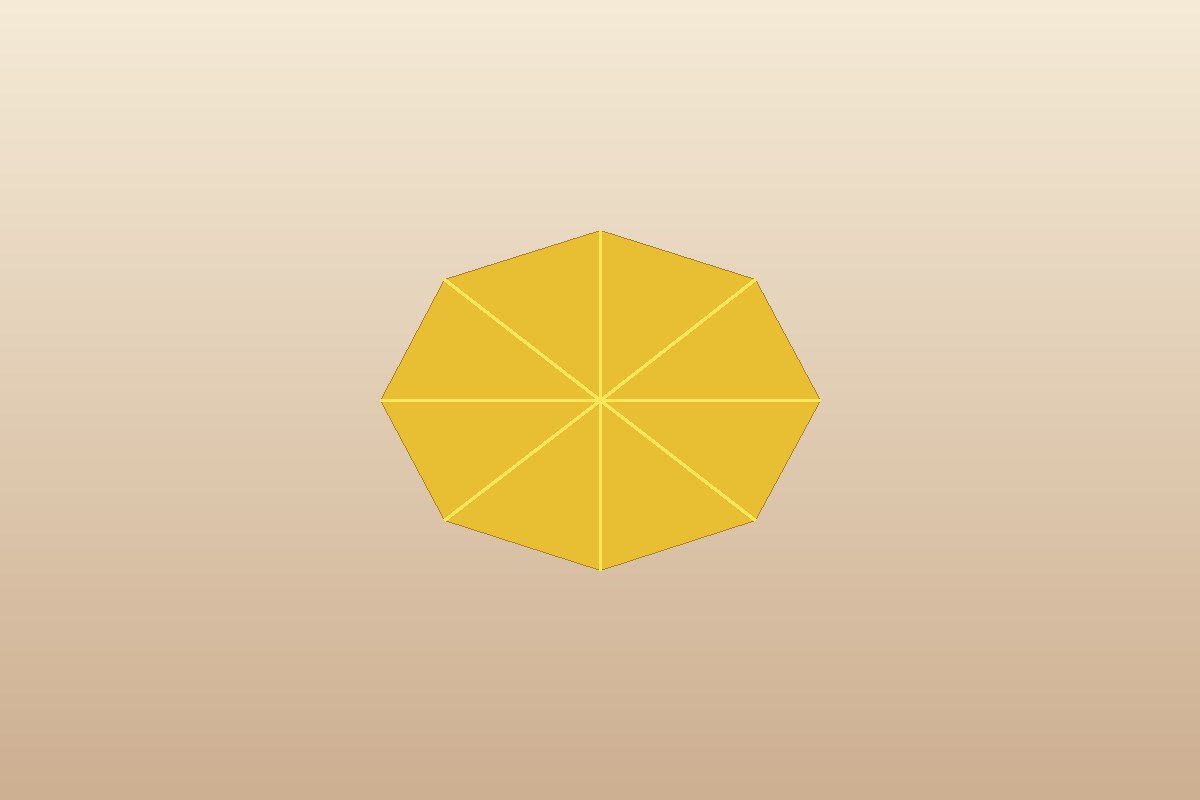
Yellow sapphire, or Pukhraj, is the gemstone of Jupiter in Jyotish. It is traditionally worn on the index finger in gold, first put on on a Thursday morning. Although Jupiter is a natural benefic, it can rule difficult houses for some ascendants, so Pukhraj is advised only after a birth chart reading.
Yellow sapphire, called Pukhraj in Hindi, is the gemstone of Jupiter in Vedic astrology and one of the most frequently recommended stones in India. Because Jupiter is traditionally regarded as a benefic planet, Pukhraj is often assumed to suit everyone. It does not, in the traditional view, and this guide explains why, along with how it is worn and how to buy one with confidence.
How we write about gemstones: the qualities below are traditional associations from Jyotish (Vedic astrology), not effects we can promise. What a person experiences after wearing a stone depends on the chart, the stone and many other factors. It may be felt as positive, neutral or otherwise, and it differs from one person to the next.
What yellow sapphire is
Yellow sapphire is a variety of corundum, the same mineral as blue sapphire and ruby. Its yellow colour comes from traces of iron. It is hard and durable, which suits a ring worn every day. Stones from Sri Lanka, historically called Ceylon, are the best known, though yellow sapphire is also mined in Thailand, Madagascar and elsewhere.
Pukhraj and Jupiter in Jyotish
Jupiter, called Guru or Brihaspati, is traditionally associated with wisdom, teaching, children, dharma and expansion. In a chart it rules Sagittarius and Pisces, is exalted in Cancer and debilitated in Capricorn. Pukhraj is traditionally understood to strengthen Jupiter's influence.
Strengthening a planet is not automatically helpful. Jupiter rules two houses in every chart, and depending on the ascendant, one of those houses can be a difficult one. That is the reason we advise yellow sapphire only after reading your birth chart.
Who is traditionally advised to wear yellow sapphire
An astrologer typically considers Pukhraj in these cases:
- Ascendants for which Jupiter is a functional benefic. Sagittarius, Pisces, Aries, Cancer, Scorpio and Leo are the ones most commonly cited, subject to the full chart.
- Jupiter well placed but weak, where support is judged useful.
- A Jupiter mahadasha or antardasha where the astrologer judges that the stone suits the chart.
An astrologer is likely to be cautious in these cases:
- Ascendants for which Jupiter rules difficult houses. Taurus, Libra, Capricorn and Aquarius are often cited.
- Where Pukhraj would sit with stones traditionally considered incompatible, such as Diamond, Blue Sapphire or Gomed.
- Where the birth time is uncertain.
These lists show how the reasoning works. They cannot replace a reading of your own chart, in which Jupiter's house, sign, aspects and current dasha are read together. Our Vedic birth chart guide explains those terms.
How Pukhraj is traditionally worn
- Finger: the index finger, associated with Jupiter.
- Metal: gold is the traditional choice. Some astrologers accept panchdhatu.
- Day: Thursday, Jupiter's day, usually in the morning during a time window chosen for the purpose.
- Weight: suggested by the astrologer. We do not use a single formula based on body weight.
- Setting: open backed so that the stone touches the skin, in the traditional view.
Substitutes for yellow sapphire
Good yellow sapphire is expensive, and Jyotish tradition names lower cost substitutes, called uparatna:
| Stone | Mineral | Traditional standing |
|---|---|---|
| Yellow sapphire (Pukhraj) | Corundum | Primary stone for Jupiter |
| Yellow topaz (Sunela) | Topaz | Most common substitute |
| Citrine | Quartz | Substitute, often recommended where cost is a concern |
| Yellow beryl | Beryl | Occasional substitute |
Substitutes are traditionally regarded as milder. Whether one is suitable is part of the same chart reading.
Colour, clarity and cut
Jyotish texts describe a good Pukhraj as clear, evenly coloured and free of visible flaws, and those qualities also decide its value as a gemstone. When comparing stones, these are the points to look at:
- Colour. A clear canary or lemon yellow is prized. Very pale stones and brownish stones are less valued. The colour should be even across the stone, without patches.
- Clarity. Traditionally, a stone for Jyotish use should have no cracks or visible inclusions. Small natural inclusions seen only under magnification are normal in natural sapphire.
- Cut. Oval and cushion cuts are common for rings. A good cut shows brightness across the face of the stone rather than a dark or dull centre.
- Treatment. Many yellow sapphires are heated to improve colour. Heat treatment is widely accepted, but it should always be disclosed, and some families prefer an unheated stone.
Be careful with stones that are unusually cheap for their size and colour. Glass, synthetic sapphire and coated stones are all sold as Pukhraj.
Common misconceptions about Pukhraj
- "Jupiter is a benefic, so Pukhraj is safe for everyone." Jupiter's role depends on the ascendant and the houses it rules, which is why a chart reading comes first.
- "Pukhraj guarantees marriage or success in exams." Tradition associates Jupiter with marriage, children and learning, but no stone guarantees any event. Experiences vary from person to person.
- "Topaz and yellow sapphire are the same." They are different minerals. Topaz is a substitute, not the same stone.
What a yellow sapphire certificate should say
Ask for a report from a recognised gem testing laboratory, and check that it states:
- The identification: natural corundum, variety yellow sapphire.
- The weight in carats and the measurements.
- Whether the stone is heated or otherwise treated. Heat treatment is common and not a fault, but it should be disclosed.
- Origin, where the laboratory is able to report it.
A certificate that simply says "Pukhraj" with no laboratory details does not tell you much. Our Navratna gemstones are selected after a chart reading, not sold as a general recommendation.
Caring for a yellow sapphire ring
Sapphire is one of the hardest gemstones, so a Pukhraj ring suits daily wear. It still collects oil and dust, which dulls its colour. Clean it with lukewarm water, a little mild soap and a soft brush, then dry it with a soft cloth. Check the prongs of the setting every few months, since a loose stone is the most common problem with any ring worn every day. Store it apart from softer stones, which a sapphire can scratch. If the stone is cracked or badly chipped, tradition generally suggests replacing it, and your astrologer can advise.
Before you buy Pukhraj
Begin with the chart. In a Vedic astrology consultation, Mr. Avinash Maggirwar or Mr. Abhijit Maggirwar read Jupiter's role in your chart and tell you whether Pukhraj, a substitute, or no stone suits you. Consultations are available online, including for families abroad, and at our offices in Chhatrapati Sambhajinagar (Aurangabad) and Pune. Rahu's stone is covered in our guide to Gomed (hessonite), and the Shri Yantra guide covers the other item families often ask about alongside a stone.
Frequently Asked Questions
Who should wear yellow sapphire?
Pukhraj is traditionally considered when Jupiter is a functional benefic for the person's ascendant, or when Jupiter is well placed but weak. It is advised only after a birth chart reading, because Jupiter can rule a difficult house for some ascendants.
Which finger is yellow sapphire worn on?
Traditionally the index finger, set in gold, and first worn on a Thursday morning. The weight and timing are suggested by the astrologer.
Is yellow sapphire good for everyone?
Not in the traditional view. Jupiter is a natural benefic, but for some ascendants it rules difficult houses, and strengthening it is not advised. Experiences also differ from person to person, so no result is promised.
What is the substitute for Pukhraj?
Yellow topaz (Sunela) is the most common substitute, followed by citrine. Substitutes are traditionally regarded as milder, and whether one suits you is decided from the chart.
How do I know if a yellow sapphire is real?
Ask for a report from a recognised gem testing laboratory that identifies the stone as natural corundum, gives its weight and discloses any heat treatment.