5 Mukhi Rudraksha: Meaning, How to Wear It and How to Check It
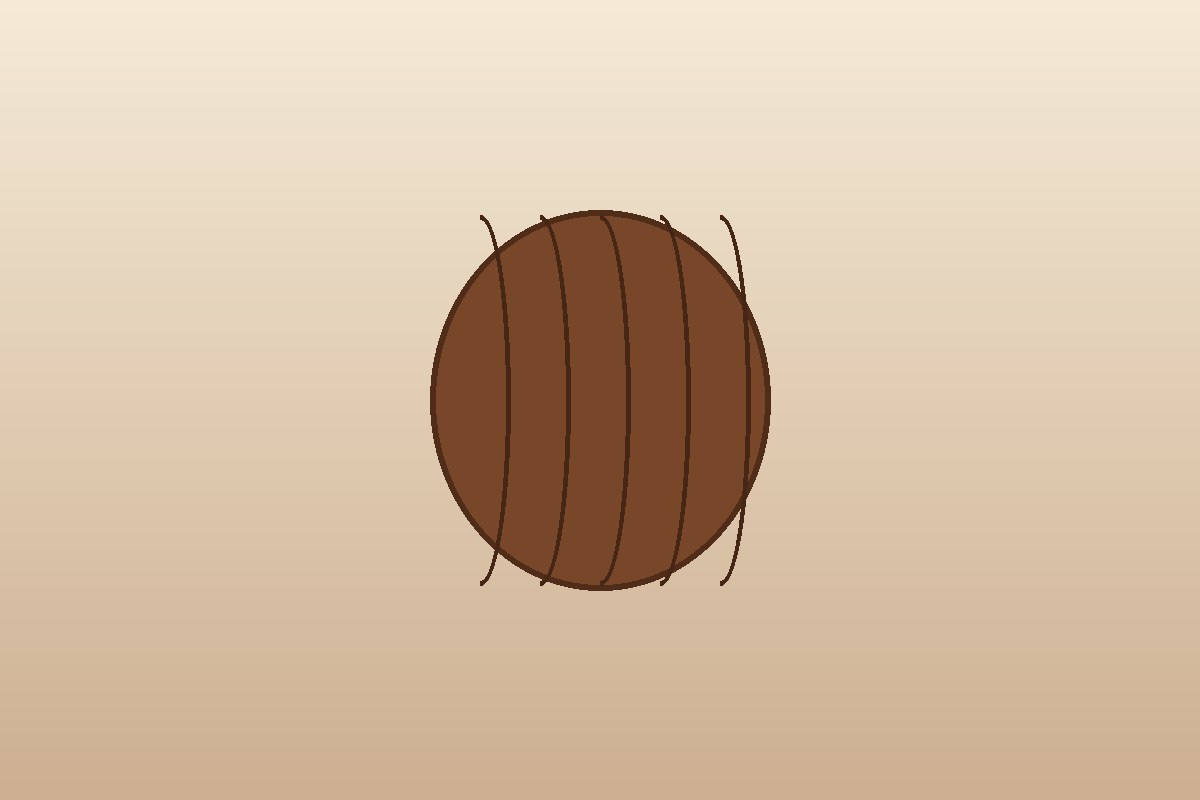
The 5 Mukhi Rudraksha is a Rudraksha seed with five natural lines, associated in tradition with Kalagni Rudra, a form of Shiva, and with the five elements. It is the most commonly worn bead, regarded as suitable for almost anyone, and is traditionally worn as a single bead, a bracelet or a mala of 108 plus one.
The 5 Mukhi Rudraksha (sacred prayer beads), also called Panch Mukhi, is the bead most people are wearing when they wear a Rudraksha at all. It is the most common, the most affordable and the one tradition regards as suitable for almost anyone. This guide explains what it represents, how it is traditionally worn and cared for, and how to check that a bead is genuine.
How we write about Rudraksha: the associations below come from Shaiva tradition. People wear the bead for devotion, for focus and as a reminder of practice. What anyone experiences from wearing one depends on many factors, differs from person to person, and can be felt as positive, neutral or otherwise. We do not promise a result, and a Rudraksha is not a treatment for any condition.
What a mukhi is
A Rudraksha is the dried seed of the Elaeocarpus ganitrus tree, which grows in the Himalayan foothills, Nepal, Indonesia and parts of India. The name joins Rudra, a name of Shiva, with aksha, eye. The natural vertical lines running from top to bottom of the seed are the mukhis, or faces. A 5 Mukhi bead has five of them. Our general guide to Rudraksha mukhis covers the full range from one to fourteen.
What the 5 Mukhi Rudraksha represents
In tradition, the 5 Mukhi bead is associated with Kalagni Rudra, a form of Shiva, and with the five elements: earth, water, fire, air and space. Its five faces are also linked with Shiva's five faces and with the Panchakshara mantra, Om Namah Shivaya, whose five syllables it is traditionally used to count. In Jyotish (Vedic astrology), it is commonly connected with Jupiter.
It is traditionally associated with calm, steadiness in practice and general wellbeing. Those are the qualities people describe wanting from it. How they are experienced, if at all, varies.
Why it is the most commonly worn bead
- It is widely available. Five faced seeds are by far the most common, so genuine beads are affordable.
- It is traditionally regarded as suitable for everyone. Men, women, students and older people alike, without the chart conditions attached to some rarer beads.
- It is the standard bead for a japa mala. Most prayer malas are strung from 5 Mukhi beads.
How the 5 Mukhi Rudraksha is traditionally worn
There are three common forms:
- A single bead on a red or black thread, or capped in silver or gold, worn at the neck so that it rests near the heart.
- A mala of 108 beads plus one, the extra bead called the sumeru, used for japa and sometimes worn.
- A bracelet of smaller beads, worn on the wrist.
Customs followed by many families when first wearing one:
- The bead is washed and kept in the pooja (a prayer ritual) space overnight.
- It is first worn on a Monday, Shiva's day, often in the morning.
- Om Namah Shivaya is chanted, commonly 108 times.
- Many people remove it when sleeping, bathing and at funerals, though practice varies between families.
These customs belong to your family's tradition, and a pandit can guide the ritual side if you want one.
Choosing bead size and origin
5 Mukhi beads vary in size and in where they come from, and buyers are often unsure what difference that makes.
- Nepal beads are generally larger, with deeper and more clearly defined mukhis. They are often preferred for a single bead worn at the neck.
- Indonesian beads are generally smaller and smoother, and are widely used for malas and bracelets because they are light to wear.
- Indian beads are also available and vary in size.
Tradition does not treat one origin as more genuine than another. The difference is mainly practical: size, weight, appearance and cost. For a mala used every day, comfort usually matters more than size. For a single bead, many people choose one with clearly visible mukhis.
Using a 5 Mukhi mala for japa
A japa mala is used to count repetitions of a mantra. The traditional method is simple:
- Hold the mala in the right hand, resting over the middle finger.
- Use the thumb to move from one bead to the next with each repetition.
- Begin next to the sumeru bead and do not cross it. At the end of 108 beads, turn the mala and continue in the other direction.
- Traditionally, the index finger is not used to touch the beads.
Many families keep a separate mala for japa and do not wear it, so that it is used only for practice.
Caring for a Rudraksha
- Rinse it in clean water occasionally and let it dry naturally.
- Keep it away from soap, perfume and chemicals, which dry the seed.
- Rub a drop of sandalwood or mustard oil into it every month or two to keep it from cracking.
- Restring a mala when the thread wears thin.
How to check that a 5 Mukhi Rudraksha is original
Because 5 Mukhi beads are cheap, full fakes are less common than with rare beads. The usual problem is a bead from a different seed passed off as Rudraksha, or a bead with carved lines. These checks help:
- Count the mukhis. Each line should run naturally from the top to the bottom of the bead, and should not look carved or stop halfway.
- Look at the surface. A genuine bead has natural, irregular bumps. Very uniform, shiny beads are a warning sign.
- Be cautious of popular tests. Sinking in water, spinning between coins and boiling in milk do not reliably tell genuine from fake, and boiling can damage a bead.
- For a costly bead or a mala, an X-ray based laboratory test is the reliable method, because it shows the internal seed compartments that match the mukhis.
Our Rudraksha collection lists the beads we supply, from 2 Mukhi to 14 Mukhi and Gauri Shankar.
Choosing between 5 Mukhi and other beads
For most people wanting a Rudraksha for daily devotion, the 5 Mukhi bead is the traditional starting point. Where a family wants a bead matched to a birth chart, a Vedic astrology consultation with Mr. Avinash Maggirwar or Mr. Abhijit Maggirwar can suggest one, online or at our offices in Chhatrapati Sambhajinagar (Aurangabad) and Pune. Couples often ask about the joined bead, which is covered in our guide to the Gauri Shankar Rudraksha.
Frequently Asked Questions
Who can wear a 5 Mukhi Rudraksha?
Tradition regards the 5 Mukhi Rudraksha as suitable for almost everyone, including men, women and students, which is why it is the most commonly worn bead. Experiences from wearing it differ from person to person.
How do I wear a 5 Mukhi Rudraksha for the first time?
Many families wash the bead, keep it in the pooja space overnight, and first wear it on a Monday morning while chanting Om Namah Shivaya, commonly 108 times. Customs vary between families.
Can I wear a 5 Mukhi Rudraksha while sleeping?
Practice varies. Many people remove it when sleeping and bathing and keep it in the pooja space overnight, while others wear it continuously. Follow your family's tradition.
How can I tell if a 5 Mukhi Rudraksha is original?
Check that each of the five lines runs naturally from top to bottom and does not look carved. Water and coin tests are not reliable. For a costly bead or mala, an X-ray laboratory test is the dependable method.
What does 5 Mukhi Rudraksha do?
In tradition it is associated with Kalagni Rudra, the five elements, calm and steadiness in practice. It is worn for devotion and focus. What anyone experiences depends on many factors, and no result is promised.