Rudraksha & Gemstones
Rudraksha Benefits: Choosing the Right Mukhi for You
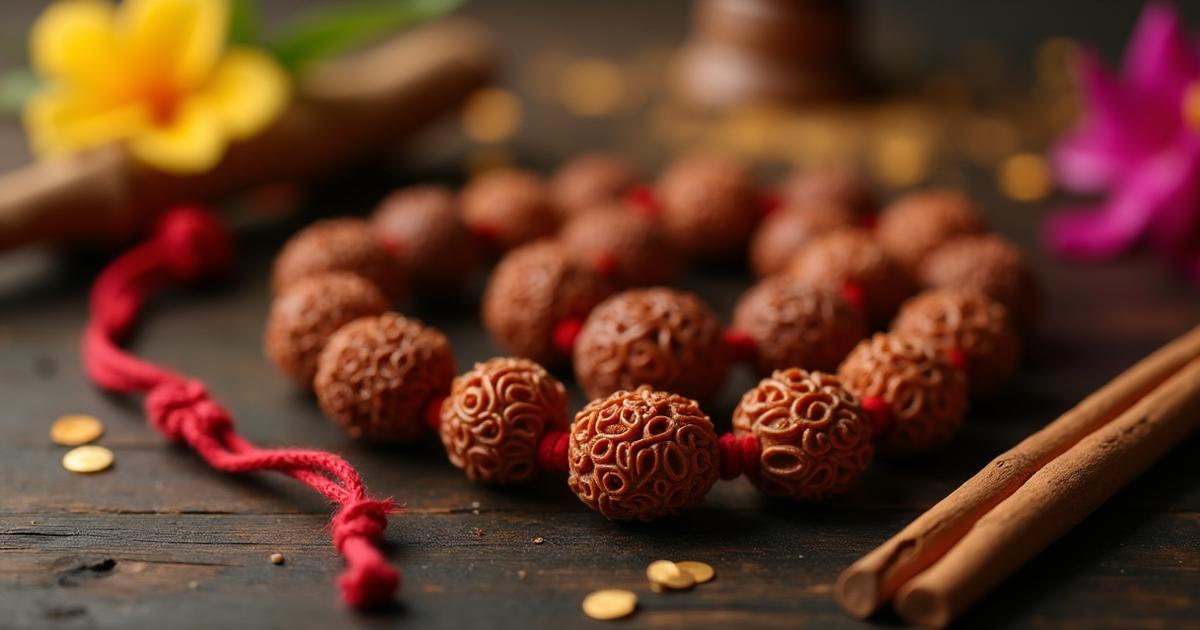
Each Rudraksha Mukhi has its own traditional meaning. This guide explains them and how to choose the right bead for you.
By Mr. Avinash Maggirwar | Published | Updated | 6 min read
Quick Answer: Rudraksha beads are sacred seeds from the Elaeocarpus ganitrus tree, each carrying a number of natural lines called Mukhis. Each Mukhi count has its own traditional meaning and deity: 1 Mukhi with Shiva and spiritual practice, 5 Mukhi with Kalagni Rudra and general wellbeing, 7 Mukhi with Mahalakshmi and prosperity, and the rarer higher Mukhis with Durga, Vishnu, the Rudras and others. The right bead follows from a reading of your birth chart.
Key Takeaways
- Choose your Rudraksha based on your birth chart, not just popularity
- 5 Mukhi is the most widely worn starting point
- 7 Mukhi (Mahalakshmi) is often chosen by entrepreneurs
- Have it energised (Pran Pratishtha) before first wear
- Buy only certified beads of Nepal or Indonesia origin
Recommendations here are based on years of suggesting Rudraksha from individual birth charts and following up with clients afterwards.
Rudraksha beads are sacred seeds from the Elaeocarpus ganitrus tree, revered for thousands of years in Hindu and Buddhist traditions. The word "Rudraksha" combines "Rudra" (Lord Shiva) and "Aksha" (eyes), literally meaning "tears of Shiva." Each bead's surface contains natural lines called Mukhis (faces), and each number of Mukhis has its own traditional meaning.
1 Mukhi Rudraksha - The Supreme Bead
Associated in tradition with Lord Shiva himself, the 1 Mukhi Rudraksha is the rarest of the beads. It is traditionally linked with concentration, meditation and spiritual practice, and is valued by spiritual seekers.
Who Should Wear 1 Mukhi
This bead is traditionally chosen by those on a deep spiritual path, by meditation practitioners and by people seeking liberation (Moksha). Due to its rarity, it is also one of the most valuable Rudraksha beads.
Key insight: A genuine 1 Mukhi Rudraksha from Nepal is extremely rare and valuable. Be cautious of cheap imitations. At Divyam Vaastu, every Rudraksha comes with a certificate of authenticity.
5 Mukhi Rudraksha - The Bead for Everyone
The most commonly available Rudraksha, traditionally associated with Kalagni Rudra, a form of Shiva. Traditional texts associate it with general wellbeing and a settled mind. It is regarded as suitable for almost anyone and is a natural starting point for Rudraksha practice.
Wearing the 5 Mukhi Every Day
Many people wear the 5 Mukhi daily, as a single bead, as a bracelet or as a japa mala for chanting. In tradition it is associated with calm, focus and a sense of inner peace.
7 Mukhi Rudraksha - Linked with Prosperity
Traditionally associated with Goddess Mahalakshmi, the 7 Mukhi is linked in tradition with prosperity and good fortune. It is often chosen by business owners, entrepreneurs and people who handle money.
Who Chooses the 7 Mukhi
Entrepreneurs and professionals often choose the 7 Mukhi when starting or growing a business. As with every bead, we suggest it only after reading your birth chart, and experiences vary from person to person.
Tip: Wear your Rudraksha after it has been energised (Pran Pratishtha); a Monday morning is the traditional day to begin. If your birth chart also suggests a gemstone, we explain how the two can be worn together.
Other Important Mukhis
In tradition, the 2 Mukhi represents unity and is associated with relationships. The 3 Mukhi is linked with Agni and self-confidence, the 4 Mukhi with Lord Brahma, learning and communication, the 6 Mukhi with Lord Kartikeya and willpower, and the 8 Mukhi with Lord Ganesha and new beginnings.
Higher Mukhi Rudraksha (9 to 14)
Higher Mukhi beads are rarer. In tradition, the 9 Mukhi is associated with Goddess Durga, the 10 Mukhi with Lord Vishnu, the 11 Mukhi with the eleven Rudras, the 12 Mukhi with Surya, the 13 Mukhi with Kamadeva and Indra, and the 14 Mukhi (Dev Mani) with intuition and inner sight.
Choosing Your Rudraksha
The right Rudraksha follows from your birth chart and from what you are looking for. An astrological consultation lets us suggest a bead that suits you rather than simply the most popular one. At Divyam Vaastu, every Rudraksha comes with a certificate of authenticity and is energised with Vedic mantras before it is handed over.
How to Wear and Maintain Rudraksha
Rudraksha is traditionally worn after energisation (Pran Pratishtha), beginning on a Monday morning. Clean it regularly with water. Tradition advises removing it before eating non-vegetarian food or drinking alcohol.
Care and Maintenance Tips
Oil your Rudraksha with mustard or olive oil once a month to keep its sheen and prevent drying. Store it in a clean, sacred space when you are not wearing it. Tradition advises not sharing your Rudraksha with others.
Quick checklist: (1) Get your birth chart analysed first. (2) Choose a certified Rudraksha that suits you. (3) Have it energised (Pran Pratishtha) before wearing. (4) Oil it monthly. (5) Store it in a sacred space when not wearing it. Browse our Rudraksha collection.
Related Articles You May Enjoy
- Understanding Your Vedic Birth Chart - Why the chart comes first when choosing a Rudraksha.
- 5 Spiritual Healing Methods That Transform Lives - Rudraksha alongside other spiritual practices.
- 10 Essential Vastu Tips for Home - Vastu guidance for your home.
Frequently Asked Questions
What is a Rudraksha bead?
Rudraksha beads are sacred seeds from the Elaeocarpus ganitrus tree. The word means 'tears of Shiva.' Each bead has natural lines called Mukhis (faces), and each Mukhi count has its own traditional meaning.
Which Rudraksha is best for beginners?
The 5 Mukhi Rudraksha is ideal for beginners. It is the most commonly available, traditionally associated with Kalagni Rudra, and with general wellbeing and a settled mind.
How do I choose the right Rudraksha Mukhi?
The right Rudraksha follows from your birth chart and from what you are looking for. An astrological consultation lets us suggest a bead that suits you.
How should I wear and maintain my Rudraksha?
Wear it after energisation (Pran Pratishtha), traditionally beginning on a Monday morning. Clean it regularly with water and oil it monthly with mustard or olive oil.
Are your Rudraksha beads certified?
Yes, every Rudraksha from Divyam Vaastu comes with a certificate of authenticity and is energised with Vedic mantras before it is handed over.
Looking for Rudraksha? See our Rudraksha and ask us which suits you.
About the Author
Mr. Avinash Maggirwar
Lead Consultant & Vastu Acharya, Divyam Vaastu
Divyam Vaastu was founded in 1992 by Shri Yeshwant Maggirwar Ji. The practice is led today by Mr. Avinash Maggirwar and Mr. Abhijit Maggirwar. Avinash Maggirwar has personally energised many Rudraksha beads with traditional Vedic mantras.