Vastu vs Feng Shui: How They Differ, and Whether They Conflict
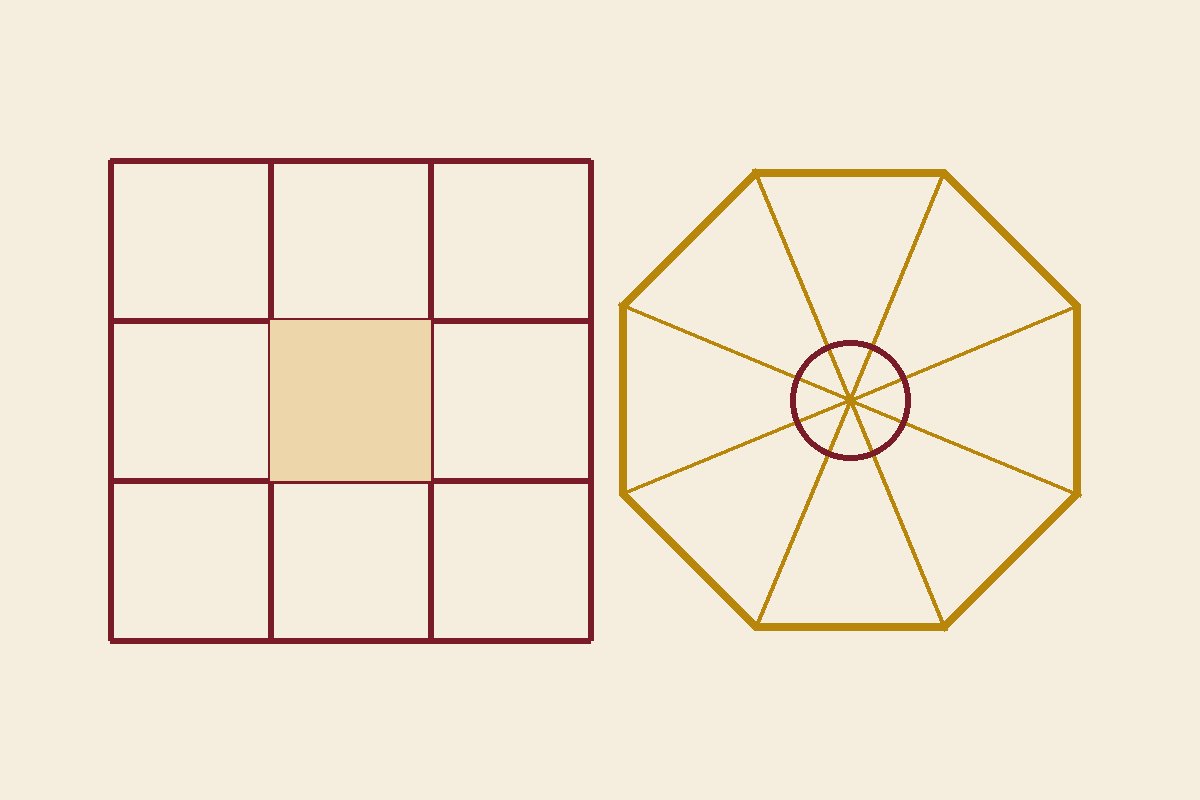
Vastu Shastra is the Indian tradition of arranging a home by compass direction, the five elements and a grid of zones. Feng Shui is the Chinese tradition built on the flow of qi and, in most American practice, a bagua map aligned to the front door. They share much advice but locate rooms differently.
Most people in the United States who ask us about Vastu have heard of feng shui first. That is a sensible place to start, because the two traditions ask a similar question: how should a home be arranged so that it is a good place to live? They answer it in different ways, and this article sets those differences out side by side.
We are Vastu consultants, practising since 1992, so we write about Vastu from the inside. We are not feng shui practitioners, and we describe feng shui here in general terms that its own practitioners would recognise, without ranking one above the other.
What is Vastu?
Vastu Shastra is the traditional Indian system of architecture and spatial arrangement. The Sanskrit word vastu means a dwelling or the site it stands on, and shastra means a body of knowledge or a treatise. So the literal Vastu Shastra meaning is the knowledge of dwellings.
Vastu reads a building against the compass. Each of the eight directions and the centre is associated with an element and a function, and a plan is assessed by what falls where. The framework is described in our guide to the complete Vastu Shastra guide, and it rests on a few ideas:
- The five elements: earth, water, fire, air and space.
- A grid laid over the plan, called the Vastu Purusha Mandala, which assigns each zone its role.
- Fixed compass directions, taken from true north, rather than directions relative to the door.
- An open, light centre to the home, known as the brahmasthan.
What is Feng Shui?
Feng shui is the Chinese tradition of arranging buildings and interiors. The words mean wind and water. It is built around qi, the energy understood to move through a space, and around the balance of yin and yang and of its own five elements: wood, fire, earth, metal and water.
Feng shui has several schools. The form and compass schools work with the landscape and with compass readings. The approach most widely practised in American homes, often called Western or BTB feng shui, lays a map called the bagua over the floor plan, aligned to the front door. Each of its nine areas relates to an aspect of life, such as career, family or relationships.
Where each comes from
Both are old, both grew out of how people built in their own climates, and both were refined over centuries by practitioners rather than written once and frozen. Vastu comes from the Indian subcontinent and is closely linked to traditional Indian temple and house building. Feng shui comes from China and developed alongside Chinese ideas about landscape, burial sites and the home. Each is a complete tradition in its own right. Neither is a version of the other.
How each reads a home: directions versus the bagua
This is the difference that matters most in practice.
Vastu is anchored to the compass. The north-east is always the zone kept lightest and most open, the south-east is always the fire zone, and the south-west is always the heavy, anchoring corner. Turn the house around and the reading changes, because the zones stay fixed to the earth, not to the building.
Much of the feng shui practised in American homes is anchored to the front door instead. The bagua is aligned with the entrance wall, so the same area of the map falls in the same place relative to the door whichever way the house faces. Compass school feng shui does use directions, so this is a difference between Vastu and the most common Western approach, not between Vastu and all of feng shui.
A practical result: two identical houses on opposite sides of a street read identically under a door aligned bagua, and differently under Vastu.
Entrances
Both traditions treat the entrance as the most important single point in the home. Feng shui calls it the mouth of qi and wants it clear, welcoming and well lit, with nothing blocking the path inside. Vastu agrees on all of that, and adds a question about direction: which compass direction the door faces and exactly where it sits along that wall. The north-east, north and east are generally preferred positions. Our guide to Vastu for American home layouts covers how this applies to garages and side entries.
Kitchens
Both traditions keep fire and water apart. Feng shui generally avoids a stove directly beside or facing the sink, and often recommends that the cook can see the kitchen door while at the stove. Vastu places the kitchen itself in the south-east, the fire zone, with the north-west as the accepted second choice, and separates the stove and sink within the room. The details are in our article on kitchen direction as per Vastu.
Bedrooms
Feng shui is known for the command position: the bed placed so that you can see the door from it without lying directly in line with it, with a solid wall behind the headboard. Vastu is more concerned with direction. The master bedroom is preferred in the south-west, and the head of the bed is placed to the south or east rather than the north. The two often agree on the solid wall behind the bed, and on keeping the room calm and uncluttered.
Vastu and Feng Shui compared
| Vastu Shastra | Feng Shui | |
|---|---|---|
| Origin | Indian subcontinent | China |
| Core idea | Directions, elements and zones of a grid | The flow of qi and the balance of elements |
| Five elements | Earth, water, fire, air, space | Wood, fire, earth, metal, water |
| Map of the home | Vastu Purusha Mandala, fixed to true north | Bagua, often aligned to the front door |
| Entrance | Direction and position along the wall both matter | Clear, welcoming path for qi |
| Kitchen | South-east zone, stove apart from sink | Stove apart from sink, cook able to see the door |
| Bedroom | South-west, head of bed to south or east | Command position facing the door |
| Typical remedies | Change of room use, placement, orientation | Placement, colour, objects such as mirrors or plants |
Do Vastu and Feng Shui conflict?
Sometimes, but less often than people expect. Much of the everyday advice overlaps: a clear entrance, fire and water kept apart, a solid wall behind the bed, a tidy and well lit home. Where they differ is mostly in where things go, because one system reads compass directions and the other often reads the position of the door.
If your household follows both, a sensible approach is:
- Start with what both agree on, since those changes suit either tradition.
- Where they disagree on a room's location, decide which tradition your family actually practises and let it lead.
- Keep the other as a guide for smaller choices, such as how the room is arranged once its location is settled.
Neither tradition asks you to reject the other. Families who grew up with one and married into the other manage this all the time.
Vastu in an American home
Classical Vastu texts describe a single storey house on an open plot, and a US house with a basement, an attached garage and an open plan does not look like that. The directional logic still applies. What changes is how the zones are located and which remedies are realistic in a finished house. We advise families across the United States by video call, using a floor plan and compass readings, through our Vastu floor plan review. See our page for Vastu consultations in the USA, or read about how our Vastu consultants work, led from our head office in Chhatrapati Sambhajinagar (Aurangabad).
If your interest is the birth chart rather than the home, Vedic vs Western astrology is the equivalent comparison for astrology.
Frequently Asked Questions
Is Vastu the same as Feng Shui?
No. Vastu Shastra comes from India and Feng Shui from China. Both are concerned with arranging a home well, and much of their everyday advice overlaps, but Vastu reads a home against fixed compass directions while much of the Feng Shui practised in American homes aligns its bagua map to the front door.
Which is better, Vastu or Feng Shui?
Neither is better in general. They are separate traditions with their own logic. The more useful question is which one your household practises or feels connected to, since that is the one whose guidance you will actually follow.
Can I use Vastu and Feng Shui together?
Yes, and many families do. Start with the advice both share, such as a clear entrance and keeping the stove apart from the sink. Where they disagree on where a room belongs, let the tradition your family practises lead, and use the other for smaller choices.
Is Vastu real?
Vastu Shastra is a real and long established Indian tradition of architecture and spatial arrangement, still widely followed in house design across India. It is cultural and advisory guidance about how a home is arranged. It is not a scientific prediction, and no honest consultant promises a particular result from it.
Does Vastu work in an American house?
The principles apply to any building, because they are based on compass directions rather than on Indian construction. What changes in a US house is how the zones are located with basements, garages and open plans, and which remedies are realistic. Most of our US advice is given online from a floor plan.